
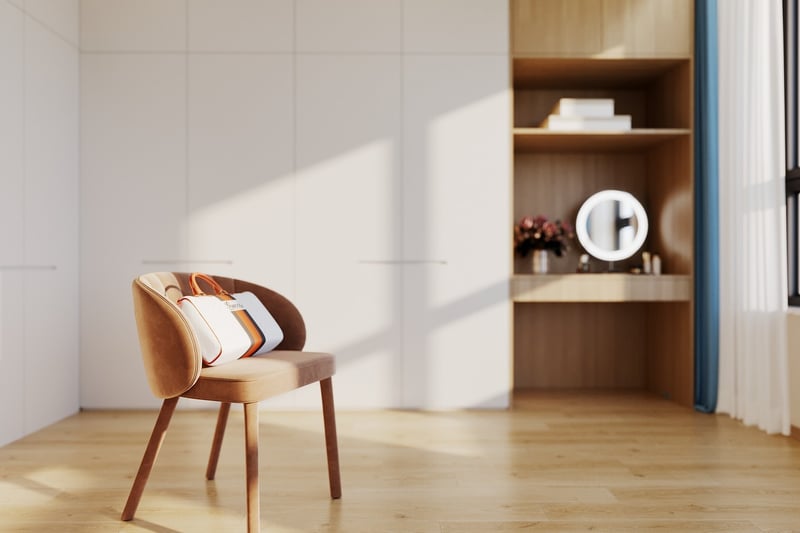
Designing with the Environment in Mind
In today's world, where environmental concerns are at the forefront, designing with sustainability in mind has become essential. From reducing carbon footprints to preserving natural resources, every decision we make in design can have a significant impact on the planet. One crucial aspect of sustainable design is indoor air quality. Poor indoor air quality can lead to various health issues, making it vital to prioritize clean and healthy air in our living and working spaces.
The Importance of Indoor Air Quality
Indoor air quality refers to the quality of air within buildings and structures, especially as it relates to the health and comfort of the occupants. Poor indoor air quality can result from a variety of factors such as inadequate ventilation, high temperatures, humidity, or the presence of pollutants from indoor sources like cleaning products, paints, and furniture.
Indoor air pollution can lead to respiratory problems, allergies, headaches, fatigue, and other health issues. By designing spaces with proper ventilation, selecting low-emission materials, and incorporating plants that purify the air, we can significantly improve indoor air quality and create healthier environments for occupants.
Design Strategies for Better Indoor Air Quality
- Natural Ventilation: Design spaces that allow for natural ventilation to bring in fresh outdoor air and reduce the buildup of indoor pollutants.
- Low-Emission Materials: Choose building materials, furniture, and finishes with low or no volatile organic compounds (VOCs) to minimize off-gassing and improve air quality.
- Air-Purifying Plants: Incorporate indoor plants known for their air-purifying properties, such as peace lilies, spider plants, and pothos, to remove toxins and enhance air quality.
- Avoid Synthetic Fragrances: Opt for fragrance-free cleaning products and avoid using air fresheners that can release harmful chemicals into the air.
- Proper Maintenance: Regularly maintain HVAC systems, change air filters, and keep spaces clean to prevent the buildup of dust, mold, and other pollutants.
Conclusion
Designing with the environment in mind goes beyond aesthetics and functionality; it involves creating spaces that promote the health and well-being of occupants. Prioritizing indoor air quality in design decisions not only benefits the environment but also contributes to a healthier and more sustainable future for all. By incorporating sustainable practices and mindful design choices, we can create spaces that are not only beautiful but also support the well-being of those who inhabit them.
Remember, every small step towards sustainable design makes a difference in the long run.

Image source: Pixabay